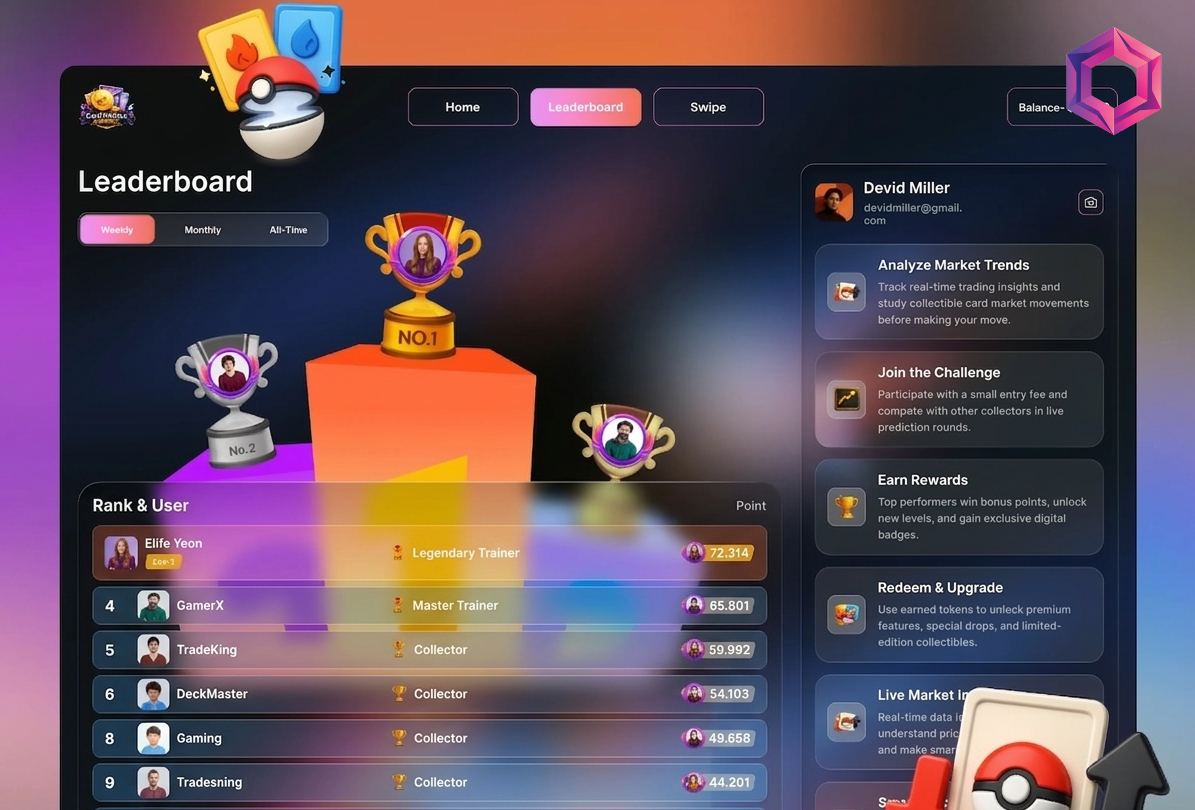
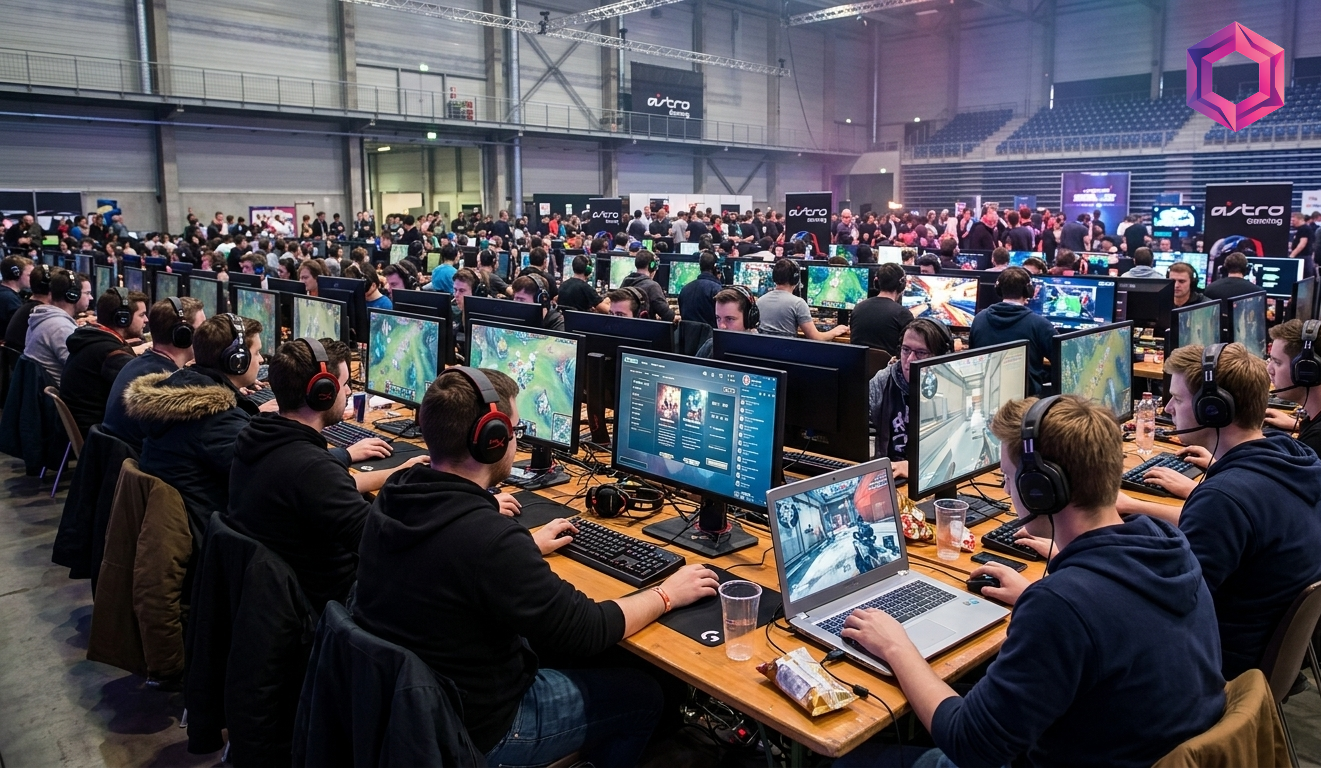
Online gaming backends serve as the invisible infrastructure or "command center" that manages the logic and data flow between players and the game world to ensure a persistent, fair, and synchronized experience. Unlike the frontend, which handles graphics and local input, the backend is responsible for critical services such as player authentication, matchmaking, leaderboards, and cloud saves to track progress across sessions. For real-time multiplayer titles, it utilizes high-performance dedicated game servers to minimize latency and synchronize game states among thousands of concurrent users, while also handling secure transactions for in-game economies. Modern architectures often leverage containers and microservices on cloud platforms like AWS or Azure to scale dynamically during player spikes, effectively acting as the "backstage crew" that keeps the digital environment running smoothly and securely.
No specific requirements listed.